

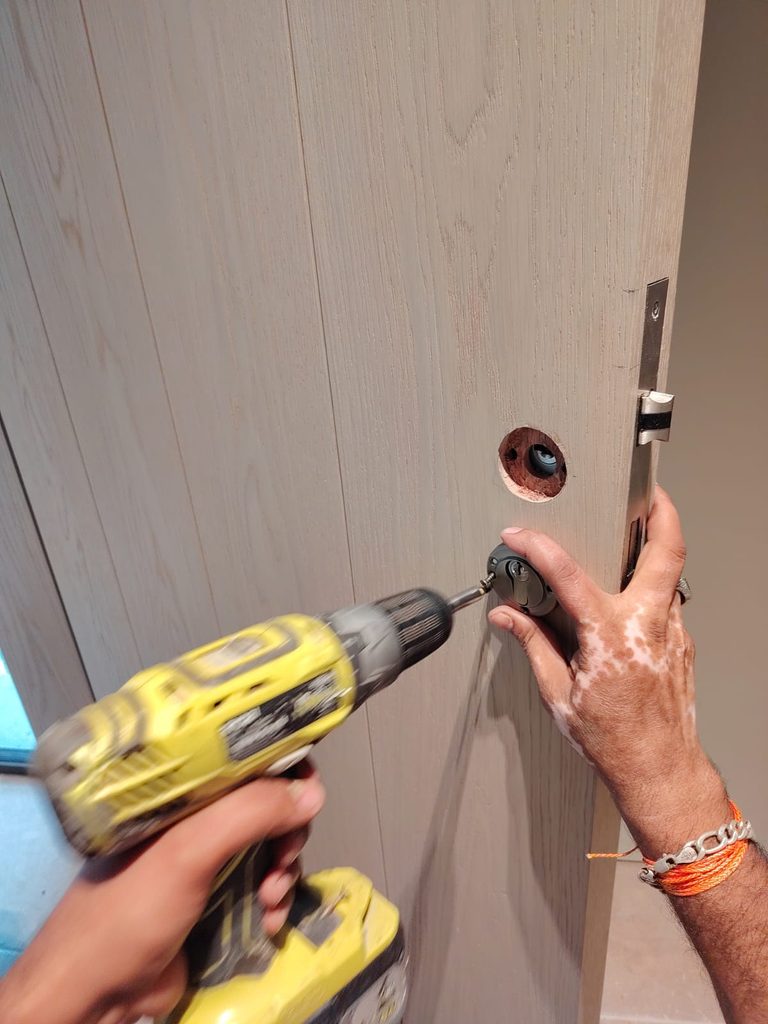
A door lock may seem like a simple piece of hardware, but it plays an important role in everyday security, privacy, and convenience. When a lock becomes difficult to turn, a key gets stuck, or the door no longer closes properly, even a small issue can quickly become frustrating.
Understanding basic door lock repair tips in Dubai can help homeowners recognize common problems and decide whether an issue can be addressed through simple maintenance or requires professional attention. Regular care can also help reduce unnecessary wear and extend the useful life of door hardware.
Why Door Locks Develop Problems
Door locks can develop problems for several reasons. Daily use naturally causes wear, while dust, moisture, poor alignment, damaged keys, or loose hardware can affect how a lock operates.
The door itself can also contribute to lock problems. If the door shifts slightly within its frame, the latch or bolt may no longer line up correctly with the strike plate. This can make the key feel difficult to turn even when the lock mechanism itself is functioning normally.
In Dubai, environmental conditions can also be a consideration. Dust and heat can affect exposed hardware, while moisture in certain areas may contribute to corrosion or deterioration over time.
Identifying the actual cause is important because repeatedly forcing a lock may turn a minor issue into a more expensive repair.
Common Door Lock Problems in Dubai
Homeowners can encounter several types of lock problems. Some are related to the mechanism, while others are caused by the door, frame, key, or surrounding hardware.
Stiff or Difficult-to-Turn Locks
A key that suddenly becomes difficult to turn may indicate dirt inside the lock, worn components, a damaged key, or misalignment between the door and frame.
Do not force the key aggressively. Excessive pressure can bend or break the key inside the lock and make the situation more complicated.
First, check whether the door itself is putting pressure on the latch or bolt. If the lock operates more easily when the door is open, alignment may be part of the problem.
Keys Getting Stuck or Not Turning
A key that enters the lock but does not turn properly can have several causes. The key may be worn or damaged, or internal lock components may have become worn over time.
Try using a spare key if one is available. If the spare works normally, the original key may be the problem.
If neither key works, the lock mechanism or alignment should be examined rather than repeatedly forcing the key.
Loose or Misaligned Locks
A lock or handle that feels loose can affect the operation of the entire door. Loose screws, shifting hardware, or movement within the door can prevent the latch from engaging correctly.
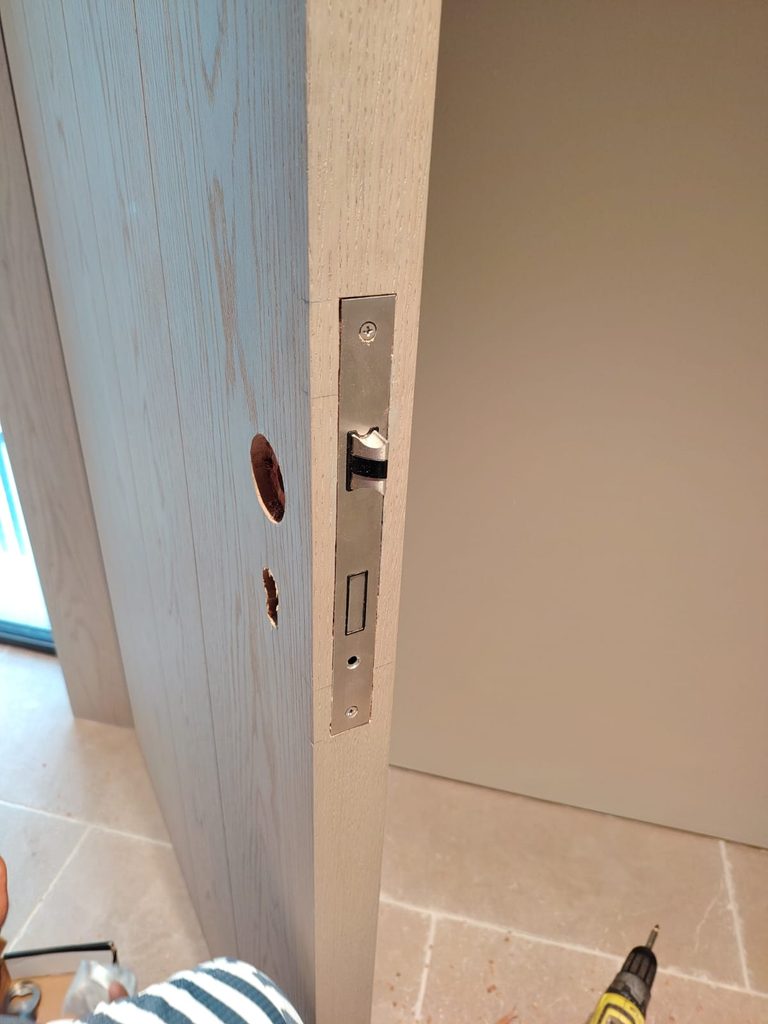
Misalignment can also occur when the door settles or the frame changes position. This is particularly noticeable when the latch does not enter the strike plate smoothly.
Damaged or Worn Lock Components
Locks contain moving components that can eventually wear out. Springs, cylinders, latches, and other internal parts may become less reliable after extensive use.
Visible damage to the lock, repeated sticking, or inconsistent operation can indicate that the mechanism needs closer inspection.
Door Lock Problems and Solutions
Knowing the possible causes of door lock problems and solutions can help homeowners avoid unnecessary repairs.
What to Check Before Repairing a Lock
Start with simple observations. Check whether the key is damaged, whether the door closes correctly, and whether the lock feels different when the door is open.
Look at the screws around the lock and handle to see whether anything is visibly loose. Also inspect the strike plate to determine whether the latch is hitting its edge instead of entering the opening correctly.
These basic checks can help distinguish between a lock problem and a door alignment problem.
Simple Fixes for Minor Lock Issues
Some minor problems may improve after tightening loose hardware, cleaning the surrounding area, or addressing obvious alignment issues.
If a lock requires lubrication, use a product appropriate for the specific lock mechanism rather than applying an unsuitable household substance. Excessive or inappropriate lubrication can sometimes attract dust or create additional problems.
Avoid dismantling a lock unless you understand how its components fit together. Small internal parts can be difficult to reinstall correctly.
When a Lock Needs Professional Attention
Professional assessment is advisable when the lock remains difficult to operate after basic checks, the key repeatedly gets stuck, internal components appear damaged, or the lock has become unreliable.
A professional can inspect the mechanism and determine whether adjustment, repair, component replacement, or complete lock replacement is appropriate.
Door Lock Maintenance Tips in Dubai
Regular maintenance can help reduce avoidable lock problems. Following a few basic door lock maintenance tips in Dubai can keep door hardware functioning more consistently.
Keep the Lock and Key Clean
Dust and debris can accumulate around frequently used hardware. Keep the lock and key reasonably clean and avoid allowing dirt to build up around the keyway.
When cleaning a door, avoid unnecessarily soaking the lock, particularly if it is not designed for significant moisture exposure.
Check Alignment and Loose Hardware
Occasionally check whether the door closes smoothly and whether the latch enters the strike plate without resistance.
If you notice that the door needs to be lifted, pushed, or pulled to lock properly, investigate the alignment rather than continuing to use excessive force.
Also check visible screws on handles and lock plates. Tightening loose hardware early may prevent additional movement.
Avoid Forcing the Key or Lock
One of the simplest maintenance habits is also one of the most important: do not force a key that does not turn.
If resistance suddenly increases, stop and determine the cause. Continuing to apply pressure can damage the key or internal components.
When Should You Repair or Replace a Door Lock?
Repair may be suitable when the lock is generally in good condition and the problem is limited to a replaceable or adjustable component.
Replacement can make more sense when the lock is severely worn, physically damaged, repeatedly fails, or no longer provides the level of security required for the property.
The age of the lock alone does not necessarily determine whether replacement is needed. Its condition, reliability, security features, compatibility with the door, and repair cost should all be considered.
If a lock repeatedly develops the same problem after repair, it may be more practical to investigate whether the lock itself, the door, or the frame is responsible.
Choosing the Right Lock for Your Door
A replacement lock should be compatible with the door and suitable for its intended use. Consider the door material, thickness, existing hardware, security requirements, and frequency of use.
Interior doors may have different requirements from exterior entrance doors. Similarly, a frequently used main entrance may benefit from hardware designed for regular operation and appropriate security.
Avoid choosing a lock based solely on appearance or price. Compatibility and proper fitting are equally important for reliable operation.
Door Lock Assistance from Shams Ul Carpentry Services
When a lock problem involves fitting, door alignment, damaged hardware, or replacement requirements, professional assistance can help identify the cause before unnecessary work is carried out.
Shams Ul Carpentry Services can assist property owners with door-related carpentry requirements, including situations where lock operation is affected by the condition or alignment of the door and frame. A proper assessment can help determine whether the issue is related to the lock itself or another part of the door assembly.
This approach is useful because replacing a lock without addressing an underlying alignment problem may not solve the issue permanently.
Frequently Asked Questions
Why is my door lock difficult to turn?
A stiff lock can result from a worn key, dirt, damaged internal components, or misalignment between the door and frame. If the problem continues, the lock should be inspected rather than forced.
What causes a door key to get stuck?
A damaged or worn key, internal lock problems, debris, or door misalignment can cause a key to become stuck. Using excessive force can make the problem worse.
How can I maintain my door lock?
Keep the lock and key clean, check visible hardware periodically, make sure the door remains properly aligned, and avoid forcing the key when resistance occurs.
Should I repair or replace a damaged lock?
Minor problems may be repairable, while severely worn, damaged, or unreliable locks may be better replaced. The condition of the mechanism and the security requirements of the door should be considered.
Why does a door lock become misaligned?
Changes in the door or frame, loose hardware, settling, repeated use, or installation issues can affect alignment. The latch and strike plate should be checked if the lock becomes difficult to engage.
Final Thoughts on Door Lock Care in Dubai
Door lock problems are often easier to manage when they are identified early. A stiff key, loose hardware, or minor alignment issue should not automatically be treated as a major lock failure.
By following practical door lock repair tips in Dubai, checking the door and lock regularly, and avoiding excessive force, homeowners can reduce unnecessary wear and recognize when professional attention is appropriate.
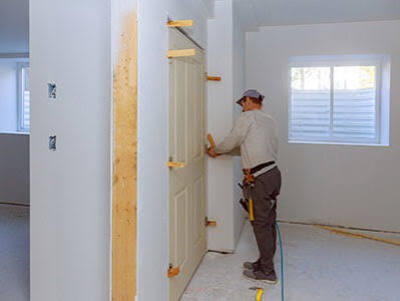
Good maintenance is not only about keeping a lock working. It is also about ensuring that the complete door assembly—including the frame, latch, hinges, and hardware—works together properly.